
SEGEDE décroche la médaille de bronze EcoVadis pour son engagement RSE
10 February 2026A well-informed buyer is worth two: what the PPWR regulation will change for buyers
The PPWR regulation (Packaging and Packaging Waste Regulation) lies at the heart of the new European rules aimed at transforming the packaging industry. By imposing ambitious targets for the reduction, recycling and reuse of materials, it is reshaping the rules of the game across all sectors—particularly for procurement managers.
For buyers, the PPWR represents a strategic challenge: integrating strict environmental requirements while continuing to meet operational and economic expectations. Understanding the implications of this regulation is essential to avoid sourcing mistakes and to anticipate the transformations ahead.
In this article, discover why this regulation is crucial and how it impacts your purchasing decisions.
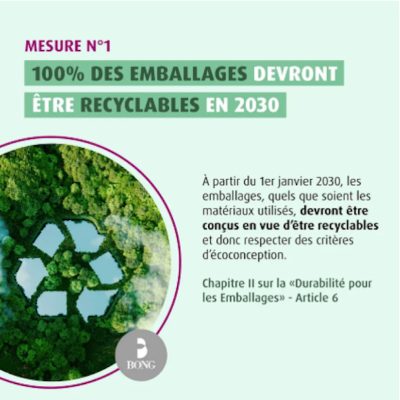
Requirement No. 1: All packaging must be recyclable by 2030
Key points
Packaging must be designed to be recyclable.
It must be efficiently collected through separate collection systems.
Secondary raw materials resulting from recycling must replace virgin raw materials.
From 2035 onwards, all packaging must be recyclable at scale.
How Zamak meets this requirement
- Recyclability
Zamak can be remelted and reused without any loss of quality. Segede currently sources 80–90% of its Zamak from recycled material with full traceability, and by 2035, we will be able to achieve 100% recycled content thanks to our partners. - Sorting identification
Thanks to the “ZP5” marking, Zamak is easily identifiable and integrated into existing recycling streams. Using eddy current separation, sorting centers are able to efficiently separate non-ferrous metals. - Closed-loop system
Production waste and end-of-life Zamak products are systematically collected and reused through our partner Genlis Metal.
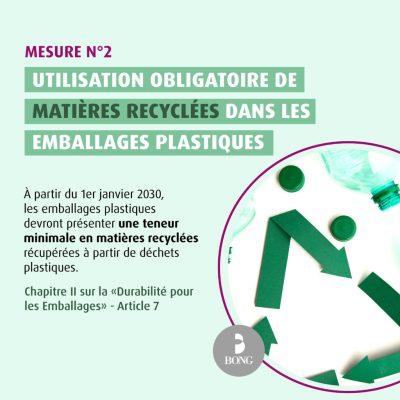
Requirement No. 2: Mandatory integration of recycled materials in plastic packaging
Key points
As of January 1, 2030, plastic packaging or its components must contain a minimum percentage of recycled materials derived from plastic waste.
How Zamak meets this requirement
- Preference for mono-material design
Through eco-design, we prioritize mono-material caps, reducing complexity and improving recyclability. - Zamak vs. plastic
By choosing an all-Zamak cap, you ensure compliance with this requirement, as plastic production still requires the use of virgin material to achieve premium aesthetic finishes. - Plastic inserts
The plastic inserts used in our caps do not interfere with Zamak recycling. During remelting at 400°C, the plastic is completely eliminated, allowing the Zamak to be fully recycled.
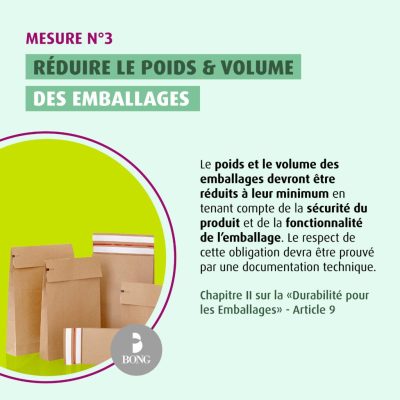
Requirement No. 3: Minimising packaging weight and volume
Key points
Mandatory reduction of packaging weight and volume while maintaining safety and functionality.
Ban on designs that artificially increase product volume (double walls, unnecessary layers).
How Zamak meets this requirement
- Optimised design
SEGEDE has reduced the weight of traditional Zamak caps by 40% by hollowing out the internal mass and adopting a two-part design. - Reduced transport-related emissions
Lower weight directly reduces logistics costs and CO₂ emissions associated with transportation. - Guaranteed metallic look without added ballast
With Zamak, there is no need to add extra weight to achieve a premium metallic look and feel—unlike plastic caps, which must often be weighted to create a luxury perception.
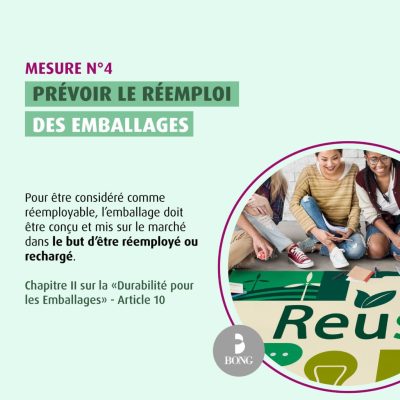
Requirement No. 4: Planning and facilitating packaging reuse
Key points
Create reusable packaging suitable for multiple use cycles.
Integrate solutions that encourage the return of used packaging.
Ensure packaging meets durability and hygiene standards.
How Zamak meets this requirement
- Durable material
Zamak is strong and resistant, making it ideal for reusable packaging solutions. Its durability makes it a preferred choice for refillable or deposit-based products. - Preserved aesthetics
Unlike other materials, Zamak retains its aesthetic and mechanical properties even after multiple uses.
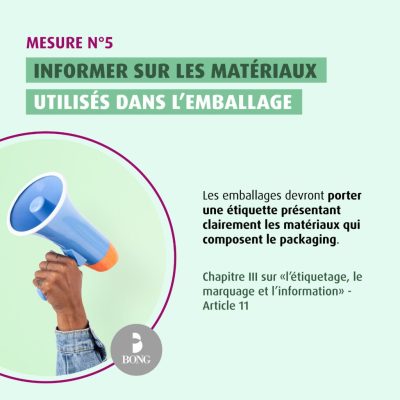
Requirement No. 5: Communicating on the materials used
Key points
Transparency on packaging composition to facilitate sorting and recycling.
How Zamak meets this requirement
- A transparent approach
SEGEDE is one of the few players in France with an integrated foundry. Unlike most competitors who outsource their production, this gives us full control over the entire production chain and its packaging. As a result, we are able to provide complete and transparent documentation on materials used.
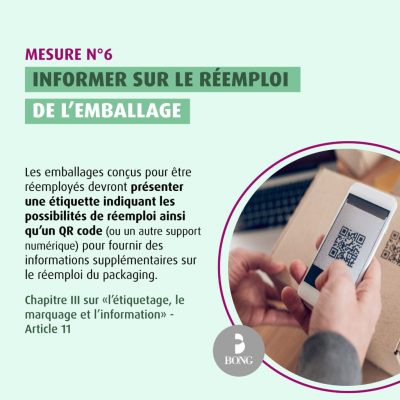
Requirement No. 6: Communicating on packaging reuse
Key points
Provide clear information on how packaging can be reused.
Implement logistical solutions to facilitate reuse (returns, deposit systems, etc.).
How Zamak meets this requirement
- Logistics and innovation
SEGEDE has previously worked with NFC chip solutions integrated into caps, enabling product-embedded information. This innovative approach enhances the customer experience while also meeting transparency and reuse communication requirements.
Requirement No. 7: Ensuring the reuse of transport packaging
Key points
Logistics packaging must be designed for multiple reuse cycles.
How Zamak meets this requirement
- Mechanical strength
Segede is already committed to the reuse of its thermoformed trays used for transporting parts, thanks to their mechanical strength and durability.
Requirement No. 8: EU Declaration of Conformity for packaging
Key points
Companies must demonstrate that their packaging complies with PPWR requirements.
The declaration must be supported by documented evidence (tests, analyses, certificates).
How Zamak meets this requirement
- Strict standards
SEGEDE ensures the compliance of its caps through comprehensive technical documentation, including material traceability and recycling data.
Requirement No. 9: Reducing packaging waste per capita
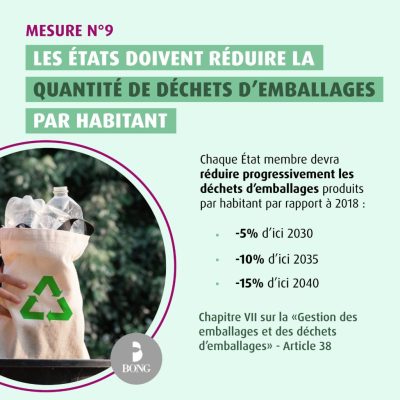
Key points
Per capita packaging waste reduction targets:
5% by 2030, 10% by 2035, and 15% by 2040.
How Zamak meets this requirement
- Reduce
The durability of Zamak provides a long-term solution, enabling the production of high-quality, long-lasting products that reduce waste over time.
Requirement No. 10: Member State–specific recycling targets
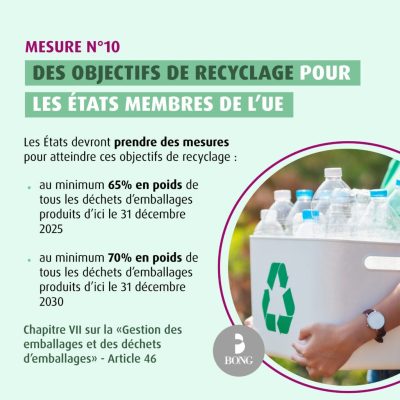
Key points
Recycling targets for packaging waste:
65% by 2025 and 70% by 2030.
How Zamak meets this requirement
- Recyclable material
Zamak makes it possible to exceed these targets thanks to its ability to be remelted and recycled indefinitely. For example, Switzerland’s KEBAG has rolled out zinc recycling technology nationwide, demonstrating the efficiency of zinc recycling systems.
Conclusion
Zamak positions itself as a future-ready material aligned with the requirements of the PPWR regulation. Its durability and recyclability make it an ideal solution for buyers seeking to balance performance, aesthetics and responsibility. Segede is ready to adapt its production processes and practices to meet the new challenges facing procurement.
Book a meeting directly with our eco-design experts, who can provide concrete solutions to turn your designs into reality.
Sources :
European Parliament (2023, October 23).
Packaging: new rules to reduce, reuse and recycle. https://www.europarl.europa.eu/news/fr/press-room/20231023IPR08128/emballages-de-nouvelles-regles-pour-reduire-reutiliser-et-recyclerBong Packaging (n.d.).
European Packaging Regulation – PPWR. https://www.bongpackaging.fr/fr/reglementation-emballages-europe-ppwr/#0- Photo credit: Bong Packaging, excerpt from their website. https://www.bongpackaging.fr/